
Simple Steps to Get Your Camper Ready for a Smooth Checkup
To prepare for your next RV inspection, start by cleaning your RV, checking basic systems, gathering paperwork, and fixing small issues before your appointment. Walk through your camper like an inspector would. Test lights, brakes, plumbing, and appliances. When you handle these steps early, your RV inspection is faster, smoother, and less stressful.
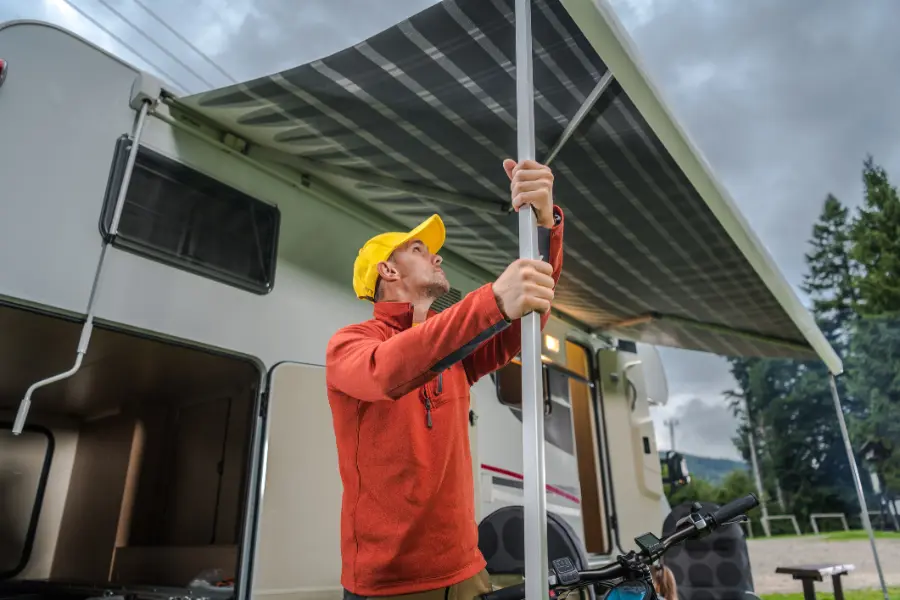
What You Need Before You Start
Before you begin, gather a few basic items. Having these ready saves time and helps you spot problems quickly.
- Owner’s manual
- Flashlight
- Tire pressure gauge
- Extension cord
- Basic hand tools
- Cleaning supplies
- Maintenance records
If this is your first RV inspection, review your manual for service intervals. It often lists parts that need regular checks. Bring any past repair receipts. Inspectors may ask about past issues or upgrades.
Step-by-Step Process to Prepare
Follow these steps to get your RV ready before inspection day.
- Wash the exterior. Clean the roof, windows, and side panels. Dirt can hide cracks or damage.
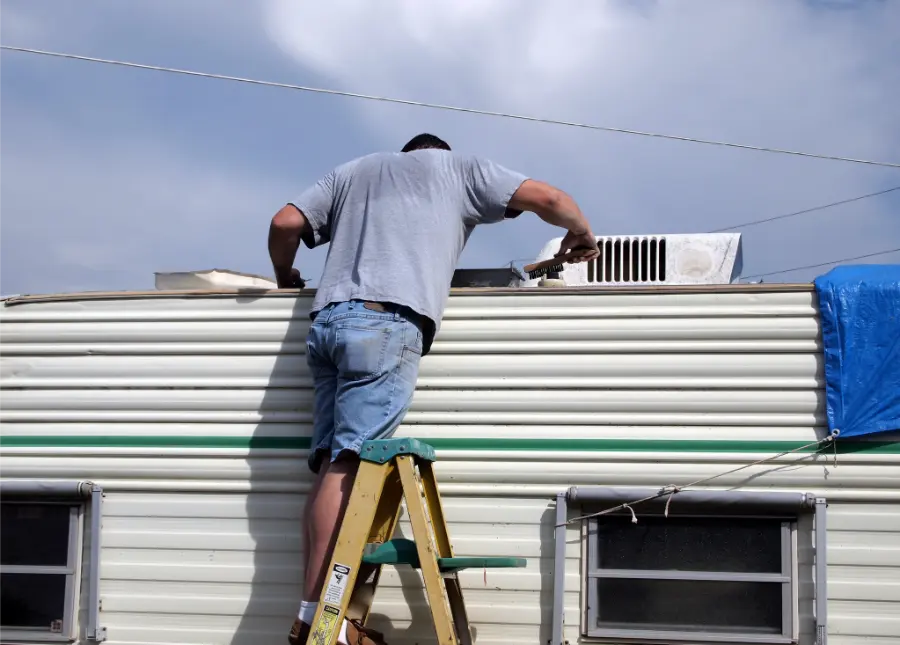
- Check the roof seals. Look for gaps, cracks, or peeling sealant. Water leaks are common in RVs.
- Test all lights. Turn on headlights, brake lights, turn signals, and interior lights.
- Inspect the tires. Check tread depth and tire pressure. Look for dry rot or sidewall cracks.
- Test the brakes. If you can, take a short test drive. Listen for grinding or squeaking.
- Examine propane systems. Check for rust on tanks and confirm appliances light properly.
- Run water systems. Turn on faucets, flush the toilet, and check for leaks under sinks.
- Plug into shore power. Test outlets, air conditioning, and microwave.
- Check safety equipment. Confirm smoke detectors, carbon monoxide alarms, and fire extinguishers work.
Write down anything that seems off. Even small notes help during the RV inspection process.
Common Mistakes to Avoid
Many RV owners rush through preparation. This often leads to failed inspections or delays.
One mistake is ignoring the roof. Roof damage is easy to miss but expensive to fix later. Another mistake is skipping paperwork. If registration or maintenance records are missing, the visit may take longer. Some owners forget to test appliances. Inspectors often check air conditioners, refrigerators, and water heaters.
Do not wait until the night before your RV inspection to check everything. Give yourself a few days in case you need quick repairs.
When to Call a Professional
Some issues require expert help. If you smell propane, see water damage, or notice electrical problems, call a qualified technician. Brake repairs and axle issues should also be handled by trained professionals.
If you bought a used camper, scheduling a pre-check before your official RV inspection can help. A professional can spot hidden issues you might miss. This is especially helpful before long road trips.
Think of it as protecting your investment. Repairs caught early often cost less and prevent larger damage down the road.
Final Recommendation and Next Steps
Preparing for an RV inspection does not have to be hard. Clean your unit, test major systems, check safety gear, and fix small problems ahead of time. If you are in Pembroke Pines, FL and want a smoother inspection experience, we can help. At HR Mobile Auto Repair LLC, we handle detailed RV inspections and walk through findings with you step by step. Call us at (954) 210-7232 to schedule your service or ask questions about getting your camper road-ready. We are here to help keep your RV safe and ready for your next trip.